
 македонски
 Albanian
 Türkçe
Cooking with Clean Water
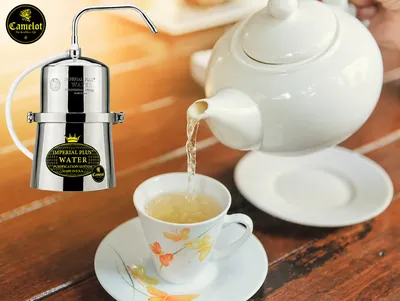
Water is an essential part of our daily lives. We use it for drinking, preparing meals, making beverages, and many other activities. The quality of the water we consume has a direct impact on our health; therefore, the need for clean water extends far beyond drinking to include everything we do in the kitchen.
The Risks of Water Contaminants
Clean water is crucial for our health. Using untreated or polluted water can lead to the ingestion of harmful substances. These contaminants may include:
-
Heavy metals (e.g., Lead, Arsenic)
-
Chemical pollutants (e.g., Pesticides, industrial waste, medications)
-
Microbiological agents (e.g., Bacteria, viruses, parasites)
-
Disinfection by-products (e.g., Chlorine)
Health Effects of Contaminated Water
The consumption of water containing these pollutants can have numerous harmful effects, such as:
-
Neurological damage and Kidney failure (linked to heavy metals).
-
Chronic diseases resulting from long-term chemical exposure.
-
Acute gastrointestinal infections, which can be life-threatening, caused by microbiological agents.
The Importance of Clean Water in Cooking
Using clean and safe water in cooking is just as important as drinking clean water. Water is integral to:
-
Washing vegetables and fruits: Produce can absorb contaminants from the water used to clean it.
-
Boiling and cooking foods: Foods like pasta, rice, and beans absorb the water they are cooked in.
-
Preparing broths and sauces: Water quality directly dictates the safety and taste of the final dish.
If the water contains contaminants, these are transferred to your food and ingested, posing serious health risks.
Clean Water in Beverages
Daily beverages such as tea, coffee, and juices should always be prepared with clean water. It is a common misconception that heat solves everything:
-
High temperatures do not eliminate all contaminants: While boiling may kill most bacteria, it does not remove heavy metals or chemical pollutants. In fact, boiling can sometimes concentrate these substances as water evaporates.
-
Water quality remains crucial: By using filtered water, we ensure our beverages are pure and free from toxins.
The Use of Certified Water Filters
Using a certified water filter is the most effective way to ensure that the water we consume is clean and safe. High-quality systems are designed to:
-
Remove heavy metals and chemical pollutants.
-
Eliminate microbiological agents and chlorine.
-
Provide confidence that the water used for every household task is safe for your family.
Conclusion
Using clean water for cooking, beverages, and washing food is essential for maintaining our health. Protecting ourselves from chronic diseases and acute infections starts with the water we use every day. Investing in a certified water filter is a significant step toward a healthier life. We deserve it!